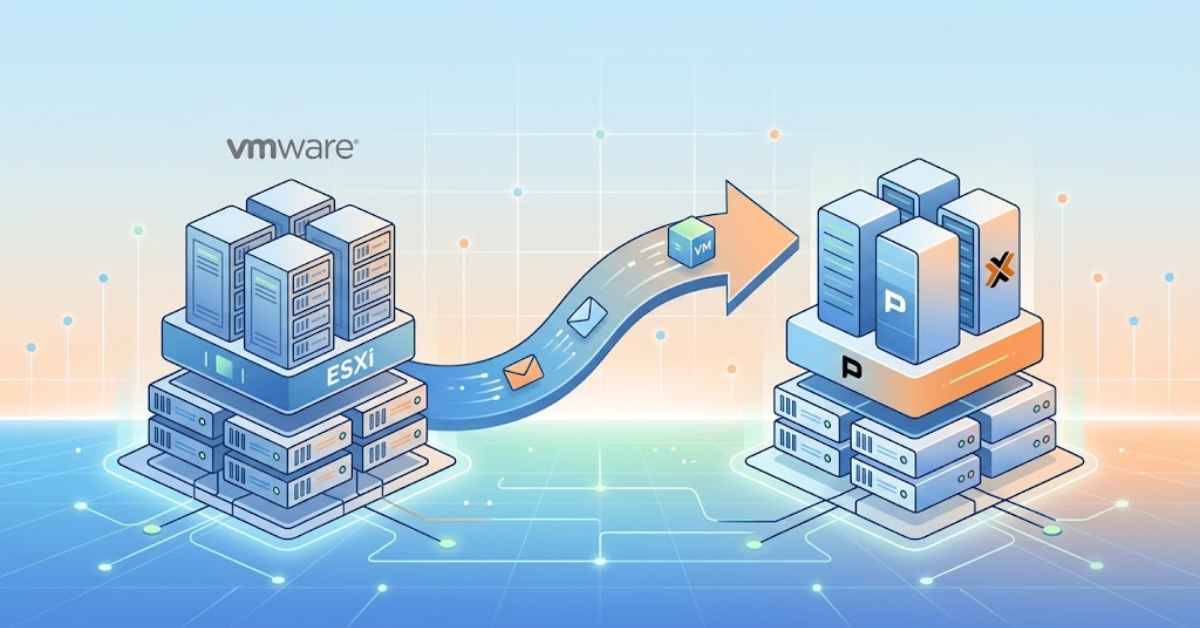

If you work in IT, you’ve probably felt the aftershocks from Broadcom’s changes to VMware. The most crucial ones to mention include: license bundles, subscription‑only models, and rising costs.
But what happens when the go-to solution for IT needs creates a stir in enterprise operations? Simple answer: teams start looking for competitors, specifically VMware competitors.
“Who competes with VMware right now, and which option fits us best?” If that’s your question as well, then let’s talk.
Why are so many teams reevaluating VMware?
Broadcom stopped perpetual licensing. They combined portfolios into fewer bundles and focused on core-based subscriptions. So, the net effect for many customers led to higher costs and less flexibility. It affected users, especially when they relied on modular SKUs in the past. Independent guides and roundups show these changes.
Also, analysts warn that moving away from VMware can take 18 to 48 months. It may also cost hundreds to thousands per VM if third parties are involved.
In short: it’s doable. Yet, users have to plan for the journey. To minimize both migration time and costs, it’s crucial to choose the right competitor. But which alternatives can offer a smoother transition while keeping expenses under control?
VMware Competitor List: Biggest Contenders in 2026
The following are the top virtualization platforms enterprises can consider when looking for server virtualization solutions.
1) Sangfor HCI
Sangfor server virtualization software brings compute, storage, networking, and security‑by‑design into one platform. You get clean operations (SCP for unified management), built‑in Disaster Recovery (aDR, CDP), stretched clusters (aSC), Kubernetes management (KubeMgr), and native vSphere backup/restore options (aHM).
The standout? Security is tightly integrated into Sangfor HCI. Sangfor is the provider (an MSSP) that delivers the MDR service and broader Managed IT security services. So, their HCI platform includes a built-in Cloud Security Center for asset vulnerability identification, smart micro-segmentation for workload isolation, and integration with other security products for enhanced protection. IT teams have a better chance at avoiding “tool sprawl,” which many teams wrestle with.
2) Microsoft Azure Stack HCI
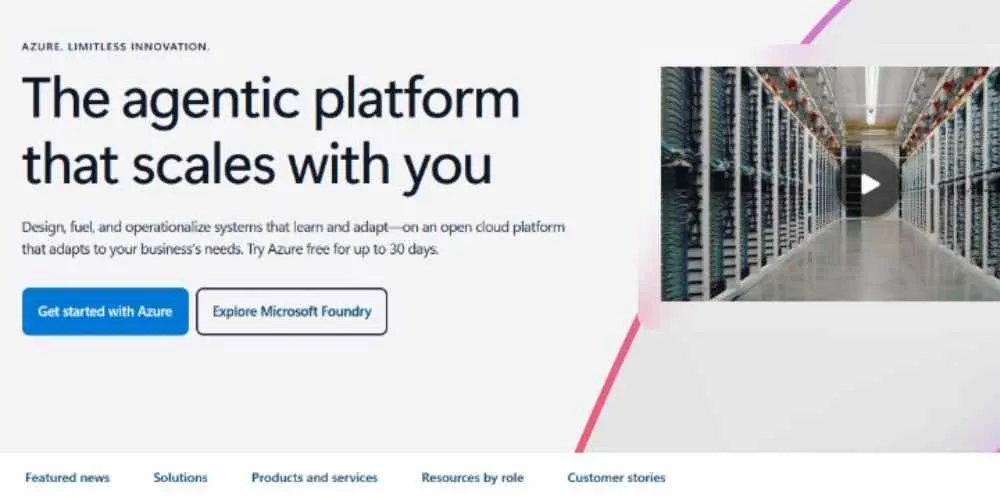
If your IT team depends on Microsoft, this is the most familiar path. Azure Stack HCI (now surfaced as Azure Local in docs) blends Hyper‑V, Storage Spaces Direct, and Windows Admin Center with Azure Arc for policy/ops, plus AKS integration. You can manage 1–16 nodes, use Arc services, and keep admin workflows close to what Windows teams already know.
3) Nutanix AHV
Nutanix popularized the modern HCI approach, and AHV is included, with no separate hypervisor licenses. Prism gives unified control, and features like Flow add micro‑segmentation. Teams appreciate predictable pricing and strong TCO, especially after Broadcom’s changes.
4) Proxmox VE
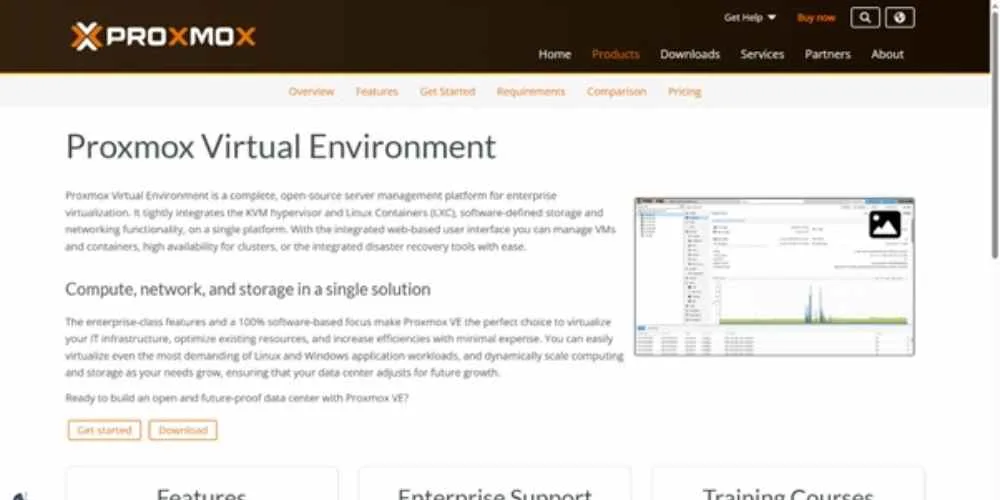
Proxmox VE is an open‑source, KVM‑based platform that also runs LXC containers. It offers HA, live migration, SDN, and native storage (ZFS/Ceph/NFS/iSCSI). The Proxmox VE 9 release (2025) upgraded QEMU/LXC, added shared‑LVM snapshots, SDN fabrics, and HA affinity rules, making it very capable for the price.
5) Red Hat OpenShift Virtualization (KubeVirt)
This option lets you run VMs and containers on the same Kubernetes platform. KubeVirt makes VMs first‑class Kubernetes resources, and OpenShift adds enterprise support, GitOps/policy, disaster recovery, and migration tooling, so you can modernize gradually while critical VMs stay online.
6) Scale Computing Platform (SC//Platform)
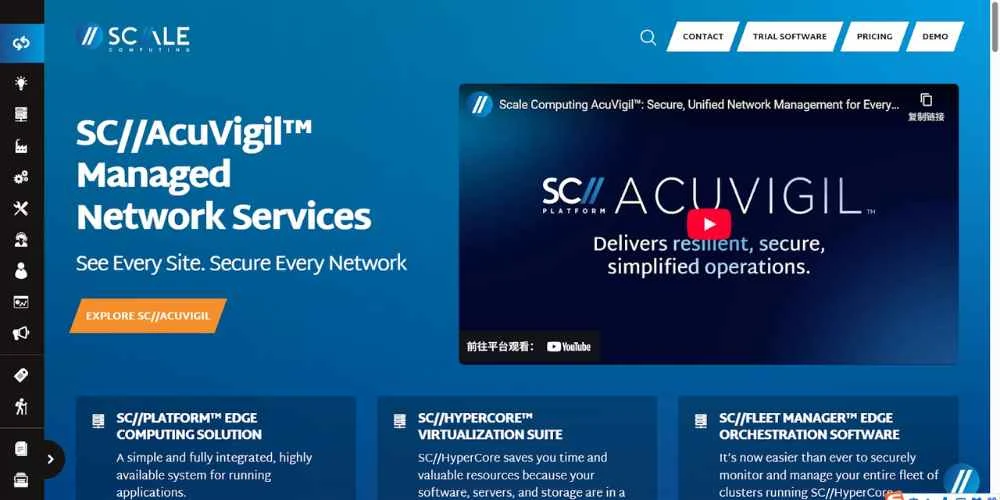
Scale is known for edge/ROBO simplicity, self‑healing, quick rollout, and fleet management from a single pane. Analysts at DCIG listed Scale as a Top 5 VMware alternative across multiple 2024–25 reports, highlighting its licensing simplicity and edge reliability.
7) Citrix XenServer (formerly Citrix Hypervisor)
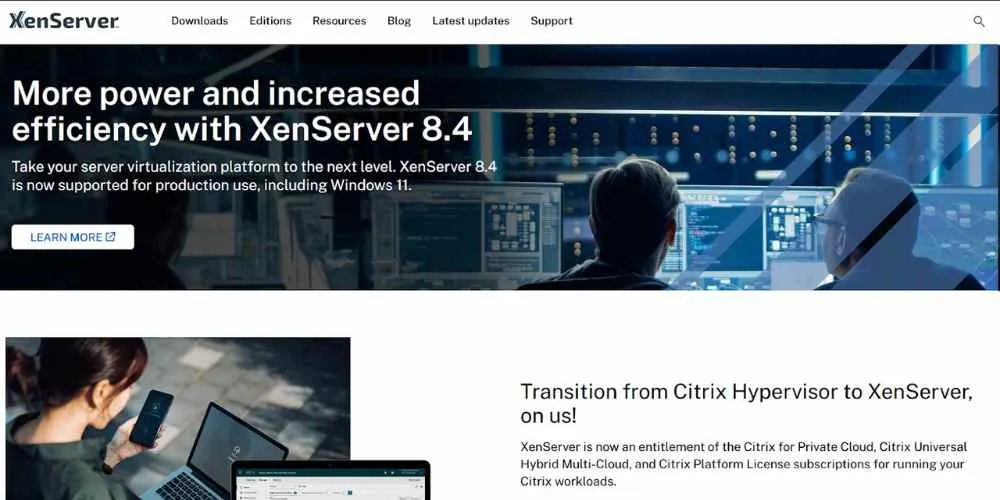
Citrix repositioned XenServer in 2025 for “all workloads,” adding a continuous stream update model, Windows 11 (vTPM) support, and migration tooling like Xen Conversion Manager for VMware to XenServer transitions. It’s cost‑effective and VDI‑friendly, but now broader than just desktops.
Why Sangfor Is a Strong VMware Competitor
Sangfor HCI is a VMware competitor. It’s a reliable hyperconverged infrastructure that combines cost efficiency with performance. And it earns the title of one of the best VMware competitors for a few practical reasons:
1) Security‑by‑design Inside HCI
Where many platforms bolt on security, Sangfor bakes it in (aSEC with micro‑segmentation and distributed firewall) and then unifies controls under the Athena brand: Athena NGFW, Athena EPP, plus Athena MDR (the security managed service).
Sangfor is the MSSP (the Managed IT security services provider) that delivers MDR as a service, along with broader managed security operations. The integration means fewer seams and faster response when things go sideways.
2) Cloud‑like Ops Without Lock‑in
Unified management (SCP), DR orchestration (aDR, CDP), stretched clusters (aSC), Kubernetes with KubeMgr, and aHM for vSphere backups make day‑to‑day operations feel calm and predictable. Hybrid is straightforward, but you still keep on‑prem control.
3) Licensing Clarity And Lower Stress
Many teams move to Sangfor to solve VMware licensing issues via simpler pricing and fewer surprises. You can plan budgets without bracing for last‑minute changes to bundles.
4) Customer Recognition Reinforces Excellence
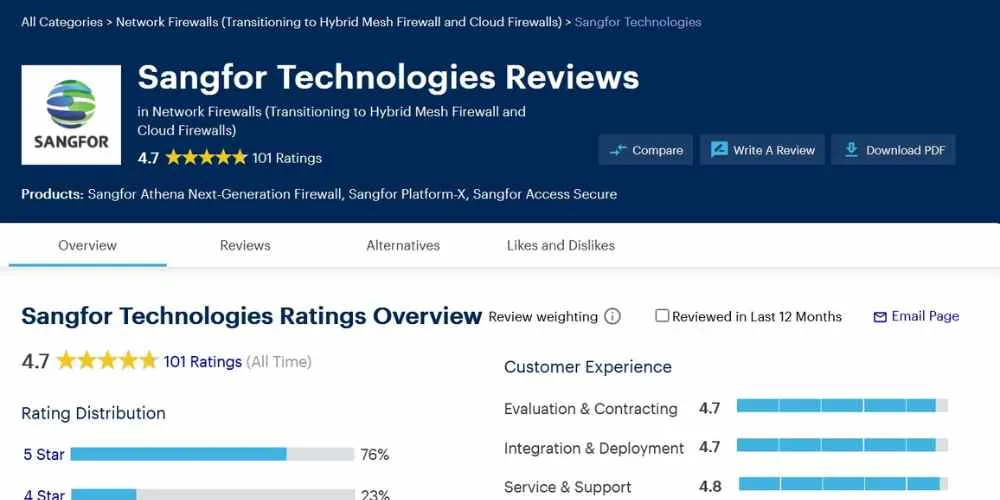
Sangfor Technologies was named a “Strong Performer” in Gartner Peer Insights’ Voice of the Customer’ for Full-Stack Hyperconverged Infrastructure Software, marking its sixth consecutive year of recognition for customer satisfaction and product excellence.
Quick Checklist to Pick Your VMware Replacement
Yes, there are too many VMware competitors out there, and choosing the right one isn’t really easy. But we’ve helped you cut through the fiasco. Here’s a guide to assessing hypervisor competitors for VMware:
- Match your operating model: Microsoft‑centric? Azure Stack HCI will feel natural. Want integrated security with simple ops? Sangfor HCI is strong. Moving to Kubernetes? OpenShift Virtualization (KubeVirt) keeps VMs running while you modernize.
- Plan migrations with realism: Big estates take time. Stage by application group, separate hypervisor cutover from storage/network changes, and pilot early.
- Close the loop on security and backup: If security, DR, and backup aren’t integrated, the seams show up later. That’s one reason Sangfor’s Athena + Backup Platform Powered by Veeam combo gets attention.
Always Ready!
VMware is still feature‑rich, but its licensing and portfolio changes pushed many teams to explore practical alternatives. You can consider any of the VMware competitors we’ve mentioned in this post.