
In the rapidly evolving world of beverage production, the integration of advanced technologies is transforming traditional methods into smarter, more efficient processes. One of the key innovations driving this change is the use of line monitoring and data analytics. By leveraging sensors and real-time data, beverage manufacturers can optimize their production lines, reduce downtime, and enhance overall productivity. This article delves into the transformative impact of line monitoring and data in smarter beverage production, exploring how these technologies are revolutionizing the industry.
Turning Packaging Lines into Data Sources with Sensors and Monitoring
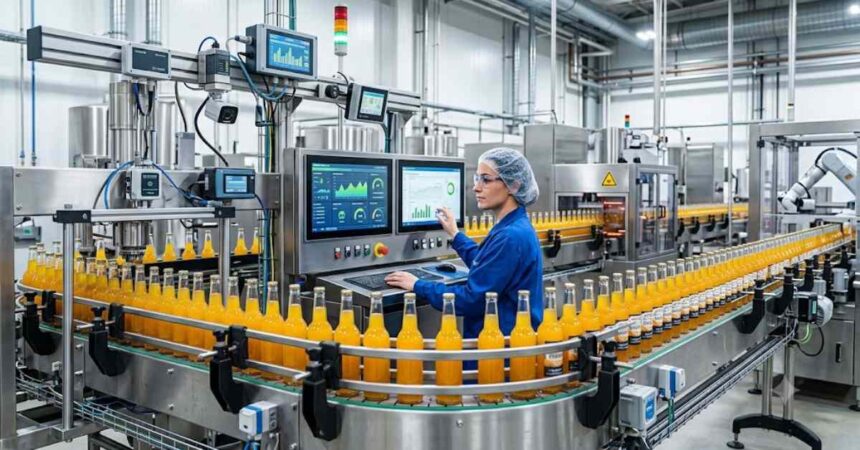
The modern beverage production line is a complex system that requires precise coordination and control to ensure efficiency and quality. Sensors and monitoring technologies play a crucial role in transforming these lines into valuable sources of production data. By strategically placing sensors throughout the packaging line, manufacturers can collect real-time data on various aspects of the production process, such as speed, temperature, pressure, and fill levels.
These sensors provide insights into the performance of industrial filling machines, enabling operators to monitor their efficiency and detect any anomalies that may indicate potential issues. The data collected from these sensors is then analyzed to identify patterns and trends, allowing manufacturers to make informed decisions about optimizing their production processes.
For instance, if a sensor detects a deviation in fill levels, it can trigger an alert for operators to investigate and rectify the issue before it leads to product wastage or quality defects. This proactive approach not only enhances the reliability of the production line but also contributes to cost savings by minimizing material waste and ensuring consistent product quality.
Real-Time Visibility: Spotting Bottlenecks and Preventing Stoppages
Real-time visibility into the production line is a game-changer for beverage manufacturers. By continuously monitoring the flow of operations, manufacturers can quickly identify bottlenecks and inefficiencies that may hinder production. This visibility is achieved through advanced monitoring systems that provide a comprehensive view of the entire production line, from raw material input to finished product output.
When a bottleneck is detected, operators can take immediate action to address the issue, whether it involves adjusting machine settings, reallocating resources, or implementing process changes. This swift response helps prevent stoppages that could lead to costly downtime and production delays.
Moreover, real-time data allows manufacturers to optimize their production schedules by aligning operations with demand forecasts. By understanding the capacity and limitations of their production lines, manufacturers can plan their production runs more effectively, ensuring that they meet customer demands without overburdening their systems.
Companies like STM Pack are at the forefront of providing solutions that enhance real-time visibility in beverage production. Their innovative technologies empower manufacturers to maintain seamless operations and achieve higher levels of efficiency.
Using Data to Plan Maintenance and Improve Output Over Time
Data-driven maintenance planning is another significant advantage of line monitoring in beverage production. By analyzing historical data and identifying trends, manufacturers can predict when equipment is likely to require maintenance, allowing them to schedule interventions before issues arise. This predictive maintenance approach minimizes unexpected breakdowns and extends the lifespan of machinery.
Furthermore, data analytics can reveal opportunities for process improvements that enhance output over time. By examining production data, manufacturers can identify areas where efficiency can be increased, whether through equipment upgrades, process modifications, or workforce training.
For example, if data analysis shows that a particular machine consistently operates below optimal efficiency, manufacturers can investigate the root cause and implement corrective measures. This might involve recalibrating the machine, upgrading components, or providing additional training to operators.
Ultimately, the use of data in maintenance planning and process optimization leads to a more resilient and productive beverage production operation. Manufacturers can achieve higher output levels, reduce operational costs, and maintain a competitive edge in the market.
In conclusion, the integration of line monitoring and data analytics in beverage production is revolutionizing the industry by enhancing efficiency, reducing downtime, and improving product quality. As technology continues to advance, manufacturers will increasingly rely on these tools to drive innovation and achieve sustainable growth.