

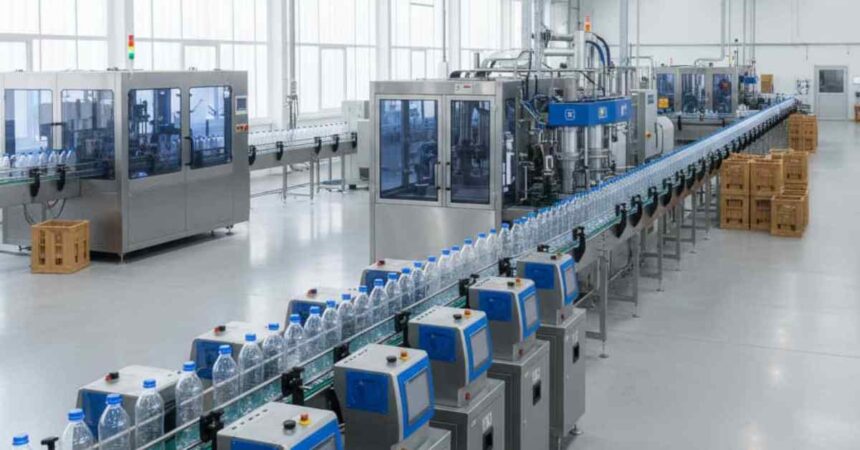
In the rapidly evolving landscape of beverage production, industrial automation has become a cornerstone of efficiency and productivity. Modern beverage production plants are increasingly relying on advanced automation technologies to streamline operations, reduce costs, and enhance product quality.
This transformation is driven by the need to meet growing consumer demands while maintaining stringent quality standards. Automation in beverage production encompasses a wide range of technologies, from sophisticated control systems to fully integrated equipment, all working in harmony to ensure seamless and uninterrupted production processes.
As the industry continues to innovate, understanding the role of automation in modern beverage production is crucial for staying competitive and meeting the challenges of the future.
Modern Control Systems and Integrated Equipment
At the heart of industrial automation in beverage production plants are modern control systems and integrated equipment. These systems are designed to support uninterrupted production in filling facilities, ensuring that every stage of the production process is optimized for efficiency and reliability. Advanced control systems utilize real-time data to monitor and adjust operations, minimizing downtime and maximizing throughput.
Integrated equipment, such as automated conveyors, mixers, and fillers, work in tandem with control systems to create a cohesive production line. This integration allows for precise control over every aspect of the production process, from ingredient mixing to final packaging. By automating these processes, beverage producers can achieve consistent product quality and reduce the risk of human error.
Moreover, the use of predictive maintenance technologies within these systems helps to anticipate equipment failures before they occur, further reducing downtime and ensuring continuous production. This proactive approach to maintenance not only enhances operational efficiency but also extends the lifespan of critical equipment, providing a significant return on investment for beverage producers.
The Role of PET Bottling Lines in Automated Workflows
One of the key components of automation in beverage production is the use of PET bottling lines. These lines are integral to fully automated workflows, providing reliable throughput and consistent industrial operations. PET bottling lines are designed to handle high volumes of production with minimal human intervention, making them ideal for large-scale beverage manufacturers.
The automation of PET bottling lines involves the use of robotic arms, sensors, and advanced software to manage the filling, capping, and labeling processes. This level of automation ensures that each bottle is filled to the exact specifications, reducing waste and ensuring product consistency. Additionally, the use of PET materials offers advantages in terms of durability and recyclability, aligning with the industry’s sustainability goals.
Furthermore, the flexibility of PET bottling lines allows manufacturers to quickly adapt to changing market demands. Whether it’s introducing a new product line or adjusting production volumes, automated bottling lines provide the agility needed to respond to consumer trends without compromising on efficiency or quality.
Ensuring Reliable Throughput and Consistent Operations
In the competitive world of beverage production, ensuring reliable throughput and consistent operations is paramount. Automation plays a crucial role in achieving these objectives by minimizing variability and optimizing resource utilization. Automated systems are capable of operating 24/7, providing a level of consistency that is difficult to achieve with manual processes.
By leveraging data analytics and machine learning, beverage producers can gain insights into production trends and identify areas for improvement. This data-driven approach enables manufacturers to fine-tune their operations, reducing bottlenecks and enhancing overall productivity. Additionally, automated systems can quickly adapt to changes in production schedules, ensuring that output remains consistent even in the face of fluctuating demand.
Ultimately, the integration of industrial automation in beverage production plants leads to a more resilient and agile manufacturing process. By embracing these technologies, beverage producers can not only meet current market demands but also position themselves for future growth and innovation.