

Running a restoration business is a balancing act. When a pipe bursts or a kitchen fire occurs, homeowners need help immediately. For a business owner, the physical work on-site is only half the job. The other half involves managing messy paperwork, dealing with insurance adjusters, and keeping a tight schedule.
In today’s market, basic tools are no longer enough to stay competitive. To grow, you need to master the digital side of your operations. This is why many owners are now looking into software development for restoration businesses to build systems that match how a restoration job actually works. Unlike generic apps, these tools are built to handle the specific documentation and technical data required in disaster recovery.
What is Holding Your Restoration Business Back?
Before you can grow, you have to find out what is slowing you down. For most restoration managers, the “hidden” problems are usually found in the field-to-office communication. Think about how much time your team spends:
- Chasing down technicians for missing “before” and “after” photos.
- Fixing mistakes on moisture logs that insurance adjusters rejected.
- Wondering which job site your expensive dehumidifiers are sitting at.
These small leaks in your operation eventually sink your profits. By switching to software solutions for restoration companies, you can automate these tasks. This ensures that every piece of data is captured correctly the first time. If you’re curious about how other small businesses are using modern tools to stay efficient, you can check out itseasytech.com for practical tech tips.
Why Do Standard Apps Fail Restoration Teams?
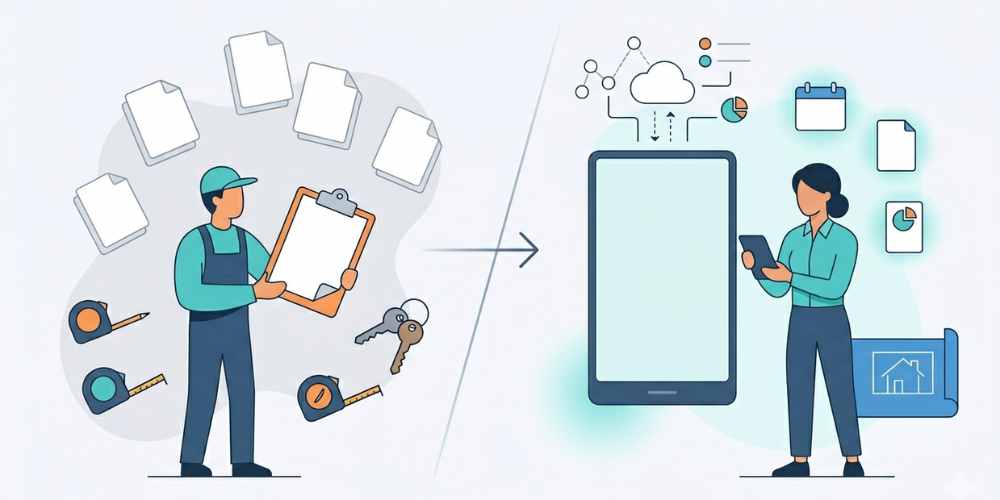
You might have tried using a regular project management app, only to find it didn’t really work. That’s because restoration isn’t like standard construction. You have to follow strict industry standards and provide specific proof to insurance companies to get paid. A generic app doesn’t know what a “dry-standard” is or how to document a mold remediation plan.
When you work with a specialized team like DevsX, you get a platform built for your specific rules. This means your technicians can follow a step-by-step checklist on their phones, ensuring they never miss a signature or a reading. It turns your least organized employee into a data-collection expert.
How to Upgrade Your Restoration Business
Switching to a new system doesn’t have to happen overnight. You can start small and scale up as your team gets comfortable. Here is a simple approach:
- Identify the Friction: Look at your current workflow and find where the paperwork usually gets stuck or where mistakes happen most often.
- Talk to Your Crews: Ask your field technicians what parts of their job take the most time. They are often the best people to tell you what features a new app needs.
- Find a Specialist: Look for a partner who understands the restoration industry rather than a general software company. They will already know about insurance requirements and industry standards.
Conclusion
The restoration industry is becoming more technical every year. Large companies are already using advanced software to win more jobs and process claims faster. To stay in the game, local and regional businesses need a solid digital foundation.
Investing in a custom system isn’t just about fancy gadgets; it’s about making your business more efficient and less stressful. It allows you to step back from the daily office grind and focus on building a company that can last for years.