
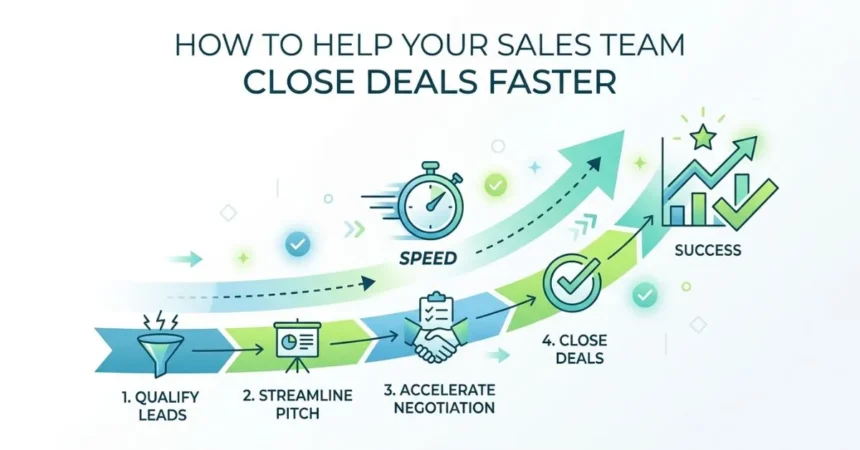
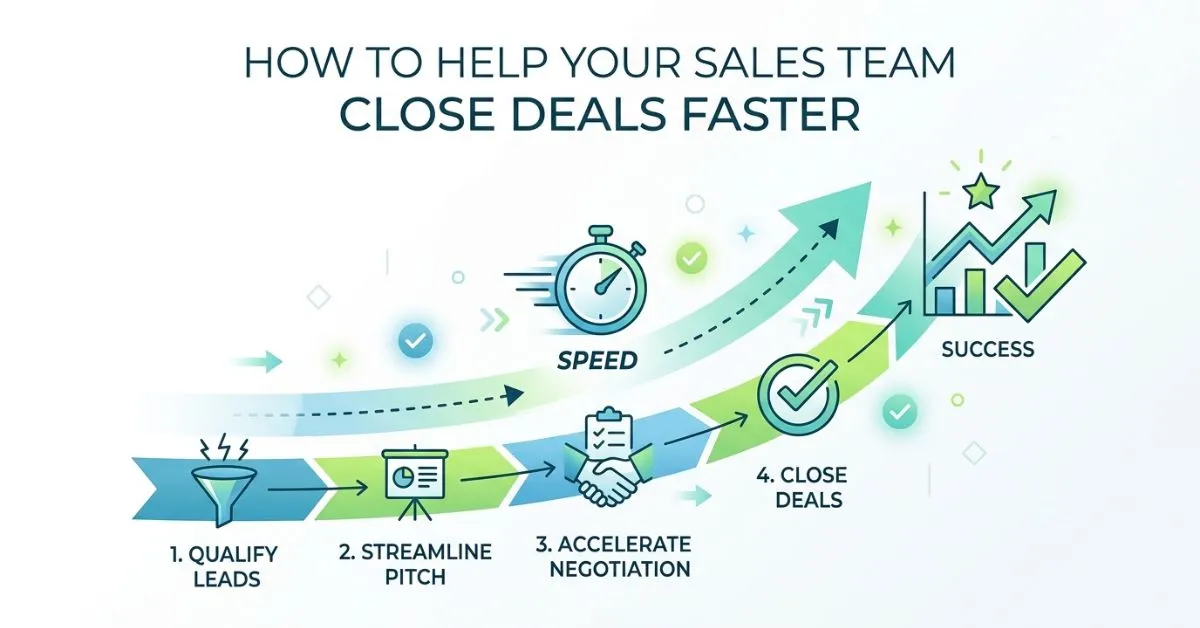
Time kills all deals. Every sales professional knows this uncomfortable truth. When a prospect shows interest, the clock immediately starts ticking. The longer it takes to move them from that initial conversation to a signed contract, the higher the chance they will back out, find a competitor, or simply lose interest.
But speeding up the process is rarely as simple as telling your reps to work harder. Instead, it requires a careful look at how your team operates, communicates, and manages their daily workflows. For example, relying on outdated communication methods can slow everything down. Integrating modern solutions like Slack for sales teams allows reps to manage deal rooms and contracts without waiting hours for an email reply.
If you want to see a real increase in your win rate, you need to remove the roadblocks that slow your reps down. This guide will walk you through the most effective ways to accelerate your sales cycle, empower your team with the right tools, and ultimately close deals faster.
Understanding Your Sales Cycle: Where Are the Bottlenecks?
Before you can speed things up, you need to know what is slowing you down. Every sales organization has a unique cycle, but the bottlenecks often look the same across different industries.
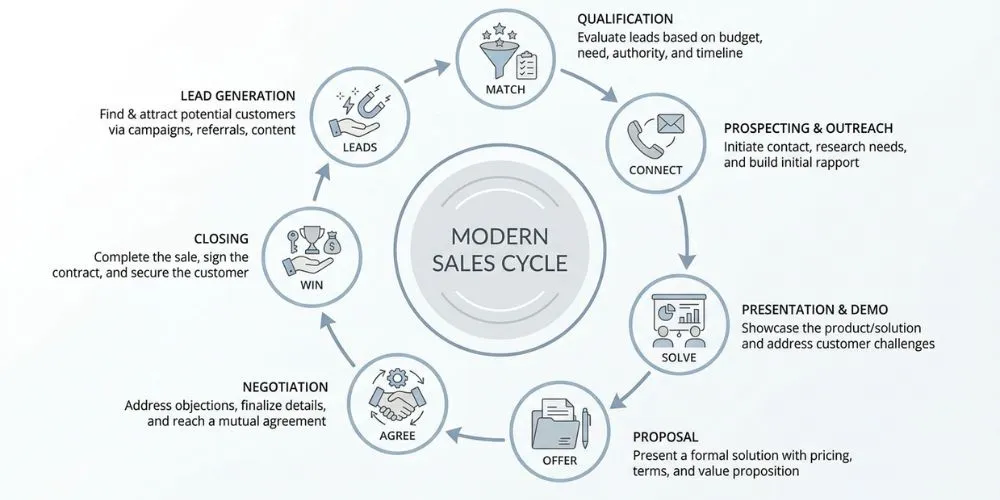
Take a close look at your current business. Map out every single step your team takes from lead generation to the final signature. Look for the stages that take the longest. Once you identify these weak points, you can start applying targeted solutions rather than guessing what might work. Tracking metrics like average time spent in each stage will give you the hard data you need to make smart changes.
Essential Tools for Accelerating Deal Closure
Using the right tools at each stage boosts efficiency, teamwork, and overall results.
Here are some essential SaaS tools designed to streamline your sales process, particularly focusing on document management and proposal software—two vital components of any modern sales workflow.
1. GetAccept

GetAccept is an all-in-one sales enablement platform that simplifies the proposal and document signing process. It allows sales reps to send, track, and get e-signatures on proposals while providing insights into prospect engagement, such as time spent on documents and which sections attract the most attention. Built-in chat and video features foster personalized communication, making it easier to close deals.
2. PandaDoc
PandaDoc is another top-tier platform specializing in creating, sending, and managing documents like proposals, quotes, and contracts. The software offers extensive template libraries, automated workflows, and eSignature capabilities. PandaDoc integrates with popular CRMs, enabling seamless data flow across the sales process.
3. Proposify
Designed for sales teams focused on winning proposals, Proposify helps create professional, visually appealing documents quickly. It provides features such as analytics to track how prospects interact with your proposals and tools to centralize branding and document creation across teams.
4. Better Proposals
Better Proposals focuses on simplicity and elegance, enabling users to create polished proposals in minutes. Its robust analytics help sales reps determine when to follow up and identify the sections prospects find compelling.
Strategies to Empower Your Sales Team
Technology alone will not close deals. You also need a skilled, confident team that knows how to guide prospects across the finish line.

1. Training and Skill Development
Sales techniques change, and your team needs to evolve with them. Regular training sessions help reps refine their pitches and learn new ways to handle tough conversations. Role-playing is especially effective here. Have your senior reps practice mock calls with newer team members. This builds confidence so that when they are on a real call with a hesitant buyer, they know exactly what to say to keep the process moving.
2. Effective Lead Qualification
A major reason sales cycles drag on is that reps spend too much time on leads that will never buy. Teaching your team how to qualify leads early is crucial. Use frameworks like BANT (Budget, Authority, Need, Timeline) to figure out if a prospect is a good fit during the very first call. If a lead does not have the budget or the authority to make a decision, your team should politely move on and focus their energy on prospects who are actually ready to purchase.
3. Personalized Outreach and Follow-up
Generic emails get ignored. If you want a fast response from a prospect, your outreach must be highly relevant to their specific situation. Train your reps to do their homework before sending a message. Mentioning a recent company milestone or referencing a specific pain point shows the prospect that you understand their needs. This level of personalization builds trust quickly and encourages buyers to engage rather than ignore you.
Optimizing Your Sales Process for Efficiency
Efficiency is about getting maximum output with minimal wasted effort. Small tweaks to your daily processes can add up to massive time savings over the course of a quarter.
1. Automating Repetitive Tasks
Sales reps spend an alarming amount of time on administrative work. Data entry, scheduling meetings, and sending routine follow-up emails take hours away from actual selling. Look for ways to automate these tasks. Use scheduling links so prospects can book their own meetings. Set up email sequences that automatically trigger if a prospect goes dark. The more you automate, the faster your team can move.
2. Data-Driven Decision Making
Stop relying on gut feelings and start looking at the numbers. Review your sales data regularly to see what is working and what is failing. If a certain email template has a terrible open rate, scrap it. If deals consistently close faster when a specific feature is highlighted during the demo, make sure every rep emphasizes that feature. Data allows you to constantly refine your approach for maximum speed.
3. The Power of Collaboration
Silos slow down sales. If your sales team is constantly fighting with marketing for better leads, or waiting weeks for legal to approve a contract change, deals will stall. Create a culture of collaboration across departments. When marketing, sales, and customer success are all aligned on the same goals, the entire buyer journey becomes much smoother and significantly faster.
Overcoming Common Challenges
Even with a perfect process and the best tools, roadblocks will appear. How your team handles these challenges determines whether a deal closes this week or next month.
1. Handling Objections Effectively
Prospects will always have concerns. It might be the price, the implementation time, or missing features. A slow sales team will take these objections back to their manager and wait for advice. A fast sales team anticipates these objections before they happen. Create an objection-handling playbook that lists the most common pushbacks and provides clear, confident responses. When reps can handle objections smoothly on the spot, the deal keeps moving.
2. Building Strong Customer Relationships
People buy from people they trust. While we want to close deals quickly, rushing a prospect can completely backfire. Speed should never come at the expense of relationship building. Encourage your reps to actively listen, show genuine empathy, and act as trusted advisors rather than pushy vendors. When a buyer truly trusts your rep, they will naturally want to move through the process faster.
Final Words
Helping your sales team close deals faster is not a one-time project. It requires continuous monitoring, regular training, and a willingness to adapt. By identifying the bottlenecks in your cycle, equipping your team with modern tools like GetAccept, and focusing on proper qualification, you can drastically reduce the time it takes to win a new customer.
Keep reviewing your data, listen to the feedback from your reps on the ground, and never stop optimizing. When speed and efficiency become core parts of your sales culture, consistent revenue growth will naturally follow.